





El espolón calcáneo se desarrolla cuando se coloca demasiada carga en el tendón Fascia Plantar lo cual resulta en la Fascitis Plantar. Las cargas excesivas pueden ser causadas por:
- Una biomecánica incorrecta
- Edad avanzada
- Sobrepeso
- Estar de pies sobre superficies duras o lesiones
A menudo es una combinación de estos factores la que causa el desarrollo del espolón calcáneo.
No es el espolón el que causa el dolor. Es simplemente una señal de inflamación crónica en los tejidos conectivos.
Tratamiento de Espolones Calcáneos
Los depósitos de calcio que forman espolones en el talón no se desprecian ni disminuyen por sí solos. Para eliminarlos por completo se requiere tratamiento. Rara vez se requiere cirugía como tratamiento en el hogar y se pueden introducir medidas fáciles para reducir los síntomas.
El descanso es el método principal para el tratamiento del espolón calcáneo. También se deben aplicar compresas frías simples después de un ejercicio intenso o de largos días en los pies. Los tratamientos antiinflamatorios, que incluyen cremas y bálsamos, pueden aliviar el dolor que comienza a irradiarse entre el talón y el arco. Los medicamentos simples de venta libre también ayudan, si el dolor se vuelve demasiado agudo.
Los estiramientos especializados y la fisioterapia básica también pueden reducir el dolor de las espuelas del talón. Los ejercicios suaves se pueden implementar en una rutina después de un ejercicio excesivo o episodios de dolor. Además, los estiramientos más efectivos para el tratamiento de espolón calcáneo se pueden realizar en el hogar, incluidos los estiramientos de pantorrillas y un levantamiento simple. Diez en cuenta que el ejercicio reducirá los síntomas de las espuelas del talón, pero no tratará la causa real.
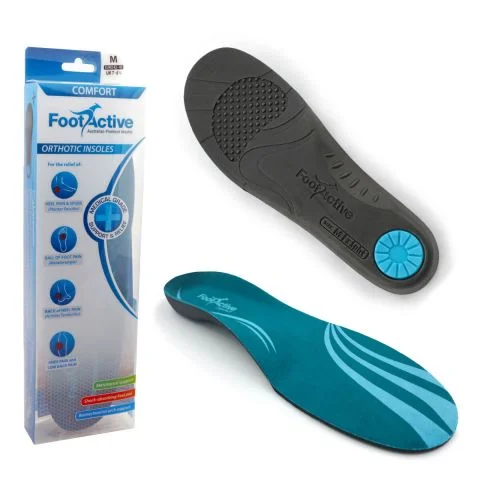
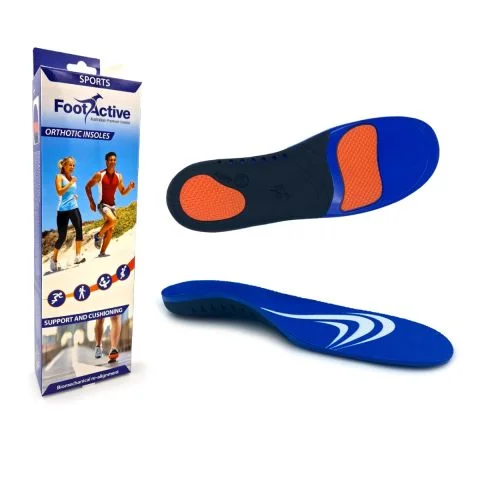
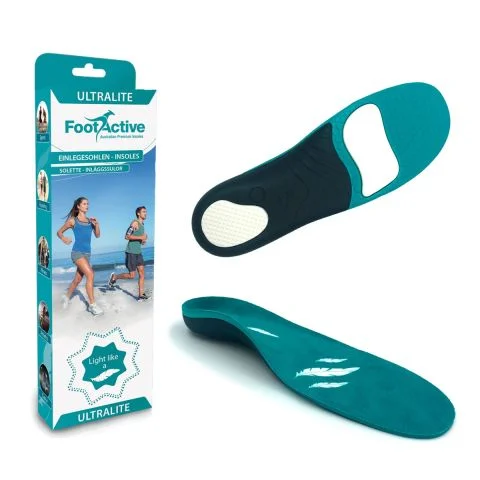
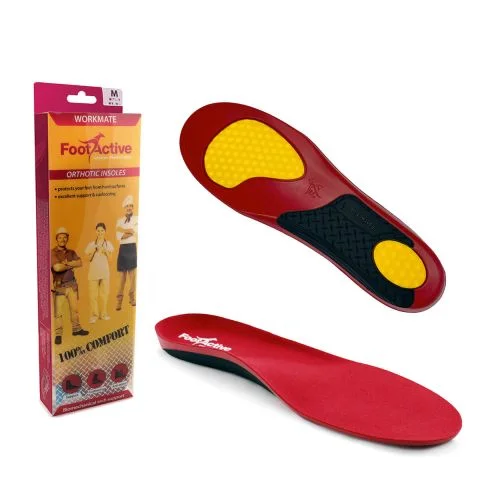
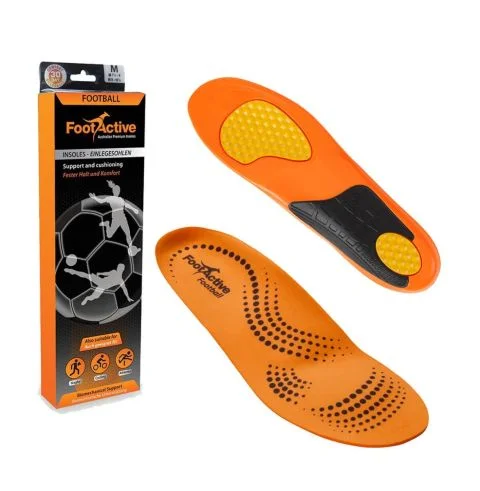
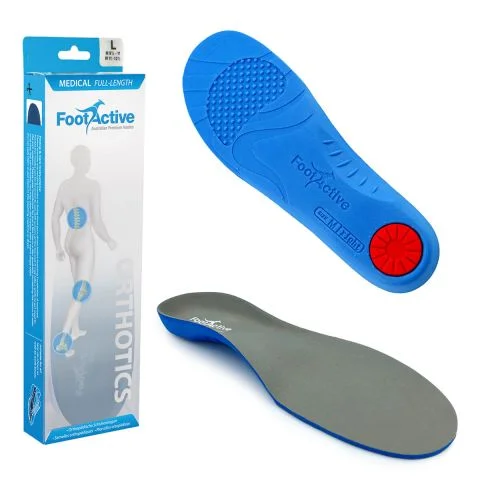
Pero las prótesis de FootActive están limitadas para soportar el arco del pie y estabilizar el talón, restaurando así la posición natural del pie. ¡Esto reduce la tensión y la presión sobre la fascia plantar y, por lo tanto, reduce el dolor! Ponte en contacto con uno de nuestros expertos, que trabaja con podólogos y fisioterapeutas para garantizar el mejor cuidado de tus pies.
Heel Spur FAQs
What does a heel spur feel like?
The inflammation caused by heel spurs can feel like a sharp, stabbing pain in the heel. The pain tends to be worse when you take your first few steps in the morning, or when you get up and walk after sitting down for a while. Generally, symptoms are less severe at other times of the day, but you may notice some pain after doing strenuous exercise or prolonged periods of walking/standing.
What does a heel spur look like?
Heel spurs are not usually visible on the surface of the skin, as they are not protrusions or bumps that you can typically feel or see. They are instead formed inside your foot and can’t be seen without having an X-ray.
On an X-ray, the appearance of a heel spur can vary in size and shape, but they often look like a hook or spike which faces the inside of the arch.
Do heel spurs go away on their own?
Heel spurs themselves don’t go away on their own, however the inflammation and pain caused can be treated using heel spur insoles and other treatments methods we discussed above.
As long as any pain is managed effectively with home treatments, there is rarely a need for surgery to remove the heel spur.
What’s the difference between heel spurs and Plantar Fasciitis?
Plantar Fasciitis isn’t the same as heel spurs, but many people confuse symptoms. Plantar Fasciitis is inflammation of the Plantar Fascia, often caused by a tear in muscle tissue, and can be extremely painful. A heel spur, on the other hand, is a calcium deposit, or bone spur.
Plantar Fasciitis can, however, be a cause for heel spurs, which is where the confusion typically lies.
What aggravates a heel spur?
Heel spurs can be aggravated by wearing shoes without arch support, and also by doing strenuous activities and/or being on your feet for long periods. Finding the best insoles for heel spurs is important for proper support and padding to the affected area.